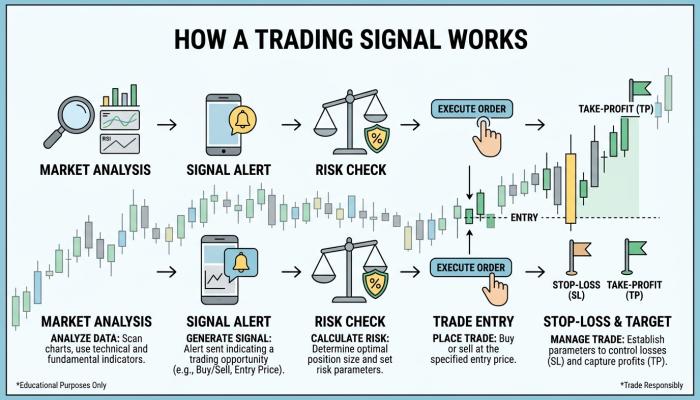
If you search “smart investment” online, you will find hundreds of articles promising quick riches. Most of them are not honest. This article is different. I am Shipon, and I write about the Indian stock market and trading world. Here, I want to explain what smart investment actually means, how to think about it, and what mistakes to avoid.
This is not a “get rich quick” guide. There is no such thing when it comes to real investing. Instead, this is a practical explanation of how disciplined, informed investors approach their money.
Table of Contents
What Does “Smart Investment” Actually Mean?
Smart investment does not mean picking the one stock that will double overnight. It means making decisions based on your goals, your risk capacity, and enough research, instead of tips, rumors, or emotions.
A smart investment plan usually has a few common features:
- It is based on your personal financial goals, not someone else’s success story.
- It considers how much risk you can actually afford to take.
- It looks at costs, taxes, and charges, not just expected returns.
- It is reviewed and adjusted over time, not left untouched forever.
There is no single “smart investment” product that works for everyone. What is smart for a 25-year-old salaried employee may not be smart for someone close to retirement.
Why Indian Investors Need to Think About This Carefully
India has seen a huge rise in retail investors and traders over the last few years. New demat accounts, mobile trading apps, and social media “finance influencers” have made investing look simple. But easy access to markets is not the same as easy success in markets.
Many new investors jump in without a plan. They chase short-term gains, follow WhatsApp or Telegram tips, or invest based on what a friend did. This is exactly the opposite of smart investing.
Building a Smart Investment Plan: Step by Step
1. Define Your Financial Goal First
Before you open a trading app or pick an investment option, ask yourself a simple question: what is this money for?
Common goals include:
- Building an emergency fund
- Saving for a house or a big purchase
- Long-term wealth building
- Regular monthly income after retirement
Your goal decides your time horizon, and your time horizon decides which investment options are suitable.
2. Understand Your Risk Capacity, Not Just Risk Appetite
Risk appetite is how much risk you feel comfortable with emotionally. Risk capacity is how much risk you can actually afford, based on your income, expenses, and responsibilities.
Many people invest based on appetite alone. This is a common mistake. A smart investment plan matches your actual financial situation, not just your confidence level.
3. Diversify Instead of Concentrating
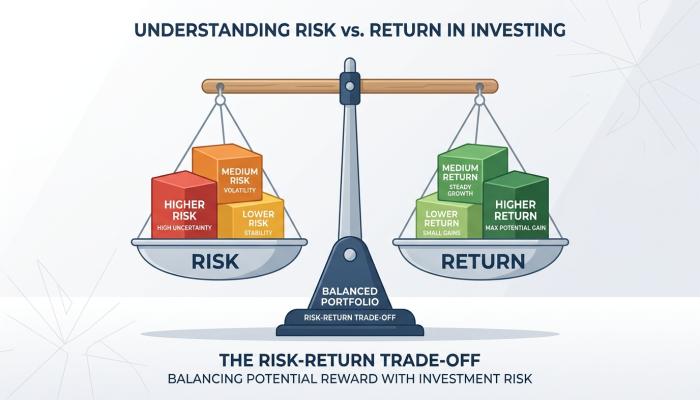
Putting all your money into one stock, one sector, or one asset class is risky, even if that asset has performed well recently. Diversification across asset classes such as equity, debt, and, where appropriate, gold or other instruments can help reduce the impact of a single bad decision.
Diversification does not guarantee profit and does not remove risk completely. It simply spreads risk more sensibly.
4. Avoid Chasing “Hot Tips” and IPO GMP Hype
One area where new investors often lose money is IPOs. You may have seen the term smart investment ipo grey market premium being discussed in trading groups. Grey Market Premium, or GMP, is an unofficial, unregulated indicator of investor sentiment about an upcoming IPO, before it is officially listed.
A few important points about GMP:
- GMP is not an official SEBI-recognised number. It comes from unofficial grey market trading.
- GMP can change quickly, sometimes within hours, based on sentiment.
- A high GMP does not guarantee a good listing gain, and a low or negative GMP does not always mean the IPO will perform poorly.
- Basing a large investment decision purely on GMP numbers is not a smart investment strategy. It is closer to speculation.
If you are interested in IPOs, it is more useful to study the company’s business model, financials, and the purpose of the IPO, rather than relying only on grey market chatter.
Also Read: Stock Analysis: Simple Guide for Indian Investors 2026
5. Think About Regular Income Options Carefully
Many readers search for the best investment plan for monthly income, especially retirees or people looking for a second income stream. There are several categories of options in India that are commonly discussed for this purpose, including certain government-backed schemes, fixed income instruments, and mutual fund options designed for periodic payouts.
Each of these options works differently, and each carries a different risk and return profile. Since interest rates, scheme rules, and tax treatment can change over time, it is important to check the latest update information from official sources or a qualified financial advisor before choosing any specific monthly income option. This article does not recommend any particular scheme or product.
Practical Smart Investment Tips
Here are some genuinely practical smart investment tips that apply to most Indian investors, regardless of experience level:
- Start with clear numbers. Know your monthly income, expenses, and how much you can realistically invest without financial stress.
- Build an emergency fund first. Before investing aggressively, most financial planners suggest keeping some months of expenses in an easily accessible account.
- Avoid borrowing money to invest. Taking a loan to invest in the stock market adds extra risk that many new investors underestimate.
- Don’t confuse trading with investing. Short-term trading and long-term investing require different skills, time commitment, and risk tolerance. Mixing the two without understanding the difference often leads to losses.
- Track charges and costs. Brokerage fees, transaction charges, and taxes can quietly reduce your actual returns over time. Always check the current charge structure on your broker’s official website, since these can change.
- Review your portfolio periodically. A smart investment plan is not something you set once and forget. Life circumstances and market conditions change.
Common Problems New Investors Face
Problem: Information Overload
There is so much content online — YouTube videos, Telegram groups, influencer posts — that it becomes hard to know what to trust.
Practical solution: Rely mainly on official sources such as SEBI, stock exchange websites, and your broker’s own documentation for factual information like charges, rules, and regulations. Use other content, including this article, for general understanding, not as financial advice.
Problem: Emotional Decision-Making
Fear during a market fall and greed during a rally often lead to poor timing decisions.
Practical solution: Having a written plan, even a simple one, with clear goals and a defined strategy, makes it easier to avoid impulsive decisions during volatile periods.
Problem: Ignoring Risk Disclosures
Many investors skip reading the risk disclosures on trading apps and IPO documents.
Practical solution: Take a few minutes to actually read the risk factors section of any offer document, especially for IPOs and mutual funds, before investing.
Who Might Find a Structured Smart Investment Approach Useful
- Salaried individuals starting their investment journey
- People planning for medium to long-term goals like a house or children’s education
- Retirees looking to structure their savings for regular income, with proper research
- Anyone currently investing based on tips or guesswork who wants a more disciplined approach
Who Should Be More Cautious
- Anyone expecting guaranteed or very high short-term returns
- People planning to invest borrowed money
- Investors who are not willing to spend any time understanding where their money is going
- Anyone relying only on social media tips without checking official information
Things to Check Before You Invest
- Is the platform or broker registered with SEBI?
- Are the charges and brokerage fees clearly mentioned and up to date?
- Does the investment option match your actual time horizon and goal?
- Have you read the risk disclosure or offer document, not just the marketing material?
- Are you diversifying, or putting most of your money in one place?
FAQ
Q1. Is there a single “smart investment” that works for everyone? No. What works well depends on your goals, income, age, and risk capacity. A plan that suits one person may not suit another.
Q2. Is grey market premium (GMP) a reliable indicator for IPO investment decisions? GMP is an unofficial indicator based on informal trading and sentiment. It can be useful as one data point, but it should not be the only factor in your decision, since it is unregulated and can change quickly.
Q3. What is the best investment plan for monthly income? There is no single “best” option for everyone. Several instruments in India are designed for regular payouts, but each has different risk, return, and tax features. It’s best to compare current options and consult a qualified financial advisor based on your specific needs.
Q4. Can smart investment tips guarantee profit? No genuine investment tip can guarantee profit. All market-linked investments carry risk, and past performance does not guarantee future results.
Q5. Do I need a financial advisor to invest smartly? It is not mandatory, but for significant decisions, especially around retirement income or large sums, speaking to a SEBI-registered financial advisor can help you make a more informed choice.
Conclusion
Smart investment is less about finding a secret formula and more about following a disciplined, honest process: setting clear goals, understanding your real risk capacity, diversifying sensibly, checking facts from official sources, and avoiding decisions based purely on tips or hype like IPO grey market premium numbers. There is no shortcut that replaces this basic discipline.
Disclaimer
This article is for educational and informational purposes only and should not be considered financial advice. Investment in securities markets is subject to market risks. Charges, schemes, and regulations mentioned may change over time; please check the latest information from official sources such as SEBI, stock exchanges, or your broker before making any decisions. Consider consulting a qualified, SEBI-registered financial advisor before investing.